When a US hotel or spa operator invests in a branded bathrobe program, two decisions carry more long-term consequence than most buyers realize: the base robe construction, and the customization method. Choosing the right branding technique is not merely an aesthetic call it directly determines how long the branding remains guest-presentable, how the robe performs across hundreds of institutional wash cycles, and what the real per-unit cost of the program looks like over a 12- to 24-month operating period.
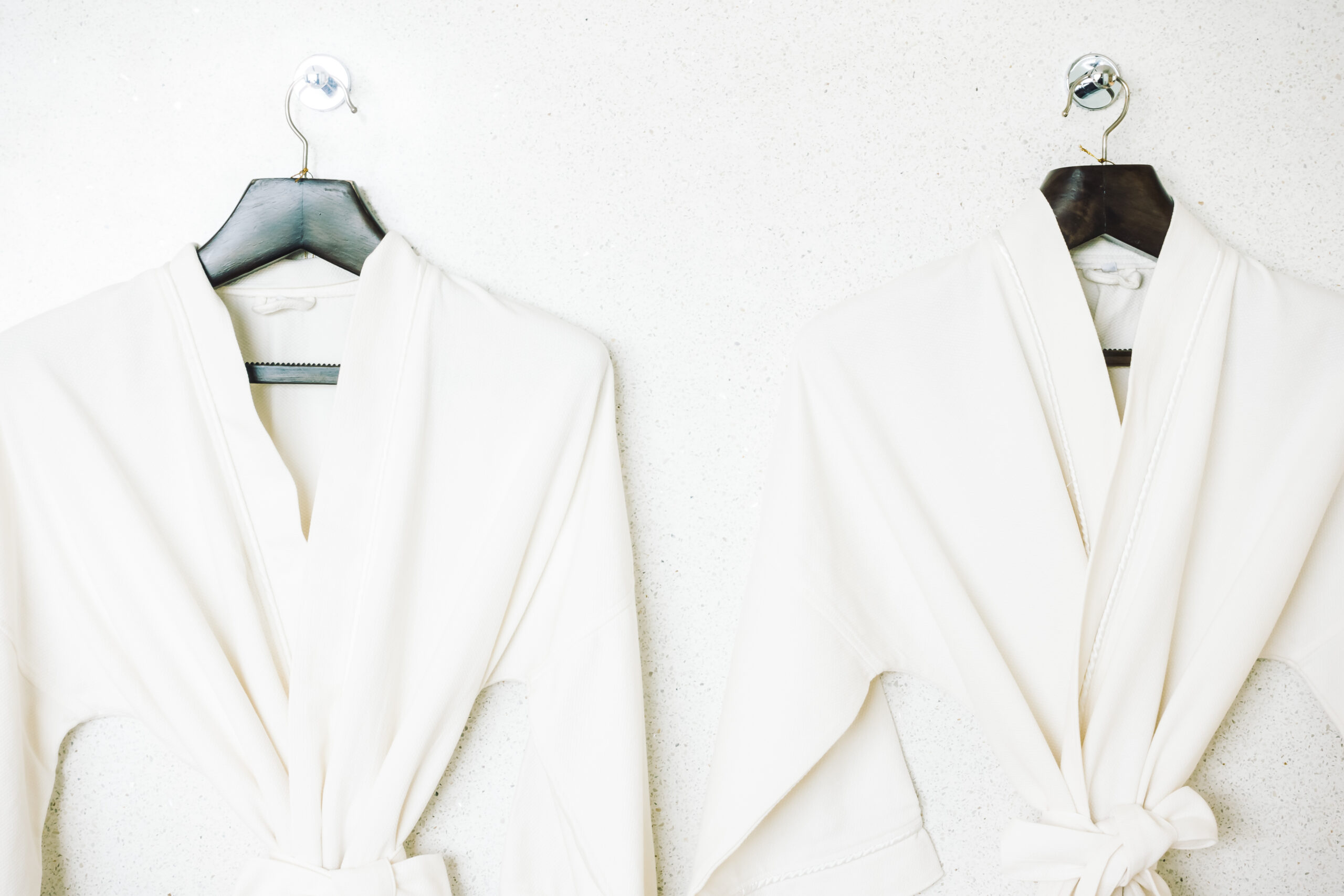
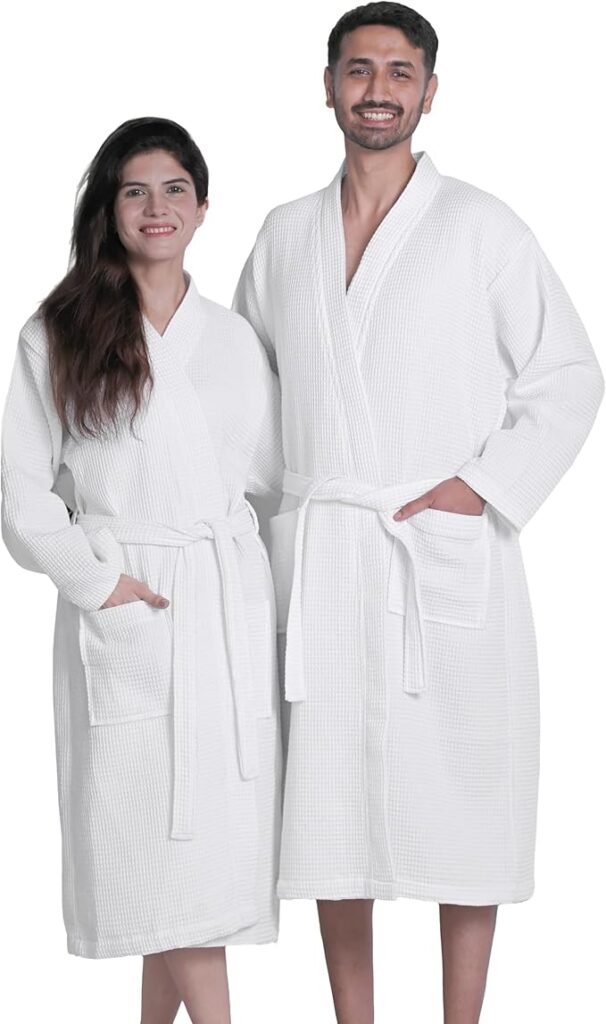
This guide focuses specifically on the two most widely used customization methods in US commercial hospitality: embroidery and woven labels. Both appear on the Waffle Bathrobe programs run by mid-tier to luxury operators across the country. Understanding how they differ in durability, cost structure, aesthetic outcome, and wash performance is essential before committing to a production order at volume.
What Embroidery Actually Is in a Commercial Context
Embroidery applies a logo or wordmark directly to the robe fabric using a needle-and-thread machine process. A digital version of the logo called a digitized file programs the embroidery machine to replicate the design in thread. The output is a raised, textured logo that sits on the surface of the fabric.
In commercial hospitality, embroidery is almost always applied to the left chest panel, though collar, nape, and pocket placements are increasingly common in boutique property programs. The quality of an embroidered logo is determined by three factors: stitch count, thread grade, and how well the original artwork was digitized for the specific fabric it will be applied to.
- Stitch count: Most hotel and spa logos fall in the 3,000–10,000 stitch range. Simple text wordmarks run lower; complex crests or multi-color logos run higher. Higher stitch count increases embroidery time and per-unit cost but is not automatically better over-stitching on lightweight waffle fabric can cause puckering.
- Thread grade: Commercial-grade polyester thread is standard for institutional linen embroidery. It resists fading under bleach washing better than rayon thread, which is why polyester thread is the specification to request for any robe that will go through commercial laundry cycles.
- Digitization quality: A poorly digitized logo creates embroidery that does not accurately represent the original design tight curves break into visible steps, small text becomes illegible. Always request a physical stitch-out on your approved robe fabric before approving a bulk production run.
What Woven Labels Are and Where They Are Used
A woven label is a separate fabric strip produced on a jacquard loom, where the brand design is woven directly into the label material rather than printed or embroidered onto it. The label is then sewn onto the robe — typically at the collar interior, the chest patch, or occasionally as a visible brand tab on the sleeve or hem.
Woven labels are the customization standard for the fashion and luxury apparel industry for a straightforward reason: the design is structurally part of the label fabric itself, not applied to its surface. There is no ink to fade, no thread to snag, and no raised texture to trap detergent. The label looks the same after 200 wash cycles as it did on delivery.
In commercial bathrobe programs, woven labels appear in two configurations:
- Interior collar label: Replaces the standard care label location with a branded label that includes the property name, care instructions, and any certification marks. Guests see it when they put the robe on a subtle but consistent brand moment.
- Exterior chest patch label: A visible label sewn onto the chest panel as the primary branding element, often used in programs where the operator wants branding presence without the texture of embroidery. Common in contemporary minimalist property designs.
Head-to-Head: Durability Across Commercial Wash Cycles
Durability under institutional laundry conditions is where the two methods diverge most significantly. The following comparison is based on standard commercial laundry protocols hot water washing, oxygen bleach, and high-heat drying across a full operating lifespan.
| Metric | Embroidery | Woven Label | Winner |
| Wash-cycle lifespan | 100–150 cycles before noticeable wear | 200+ cycles, outlasts the robe | Woven label |
| Bleach resistance | Good (polyester thread); degrades with rayon | Excellent — no dye to fade | Woven label |
| Pilling / snagging risk | Moderate — loops can catch in agitators | None — flat woven surface | Woven label |
| Color retention | Good; multi-color designs fade unevenly over time | Excellent; color is woven, not applied | Woven label |
| Logo detail accuracy | Excellent for medium-complexity designs | Excellent for any complexity level | Tie |
| Tactile guest experience | Raised, textured — perceived as premium | Smooth, flat — perceived as refined | Context-dependent |
| Visibility on waffle weave | High — stands above fabric surface | Moderate — sits flush with fabric | Embroidery |
Woven labels outlast embroidery in almost every durability metric. However, embroidery delivers higher visual impact the raised texture reads as premium at a glance in a way that a flush woven label does not. For operators prioritizing longevity and total program cost, woven labels win. For operators prioritizing the guest’s immediate perception of quality, embroidery remains the hospitality standard.
Cost Comparison: Unit Price vs Program Cost
Per-unit pricing does not tell the full story of which method is more economical across a full bathrobe program lifecycle. The table below compares costs across a 500-unit initial order with quarterly reorders over 24 months.
| Cost Factor | Embroidery | Woven Label |
| Setup / digitization fee | $150–$350 (one-time per logo) | $300–$600 (one-time per design) |
| Per-unit application cost | $1.80–$4.00 | $0.80–$1.50 |
| Average replacement cycle | Every 18–24 months | Every 28–36 months |
| Total 24-month cost (500 units) | Higher due to earlier replacement | Lower over full program life |
For a bathrobe program running across 200+ rooms with quarterly reorders, the longer replacement cycle of woven labels typically produces a 15–20% reduction in total program cost over a 24-month period even accounting for the higher initial setup fee.
Which Method Is Right for Your Property?
The decision ultimately comes down to two questions: how important is immediate visual impact to your brand program, and how long do you need each robe to stay in service before replacement?
| Property Type | Recommended Method | Reason |
| Luxury / boutique hotel | Embroidery (chest) + woven interior label | Premium perception + long-term brand presence |
| Full-service hotel chain | Embroidery — left chest standard | Guest recognition; consistent with industry expectation |
| Spa & wellness center | Woven chest patch or embroidery | Depends on aesthetic direction — minimalist vs textural |
| Gym / fitness club | Woven interior label only | Durability priority; robes cycle harder and faster |
| Vacation rental / Airbnb Plus | Woven chest label | Lower cost, longer lifespan per robe |
Looperry‘s custom bathrobe program supports both embroidery and woven label configurations, with approved artwork files retained on record for reorders without additional setup fees after the first production run. Samples for both methods are available before committing to bulk production.